
Treatment 05
Knee Arthroscopy
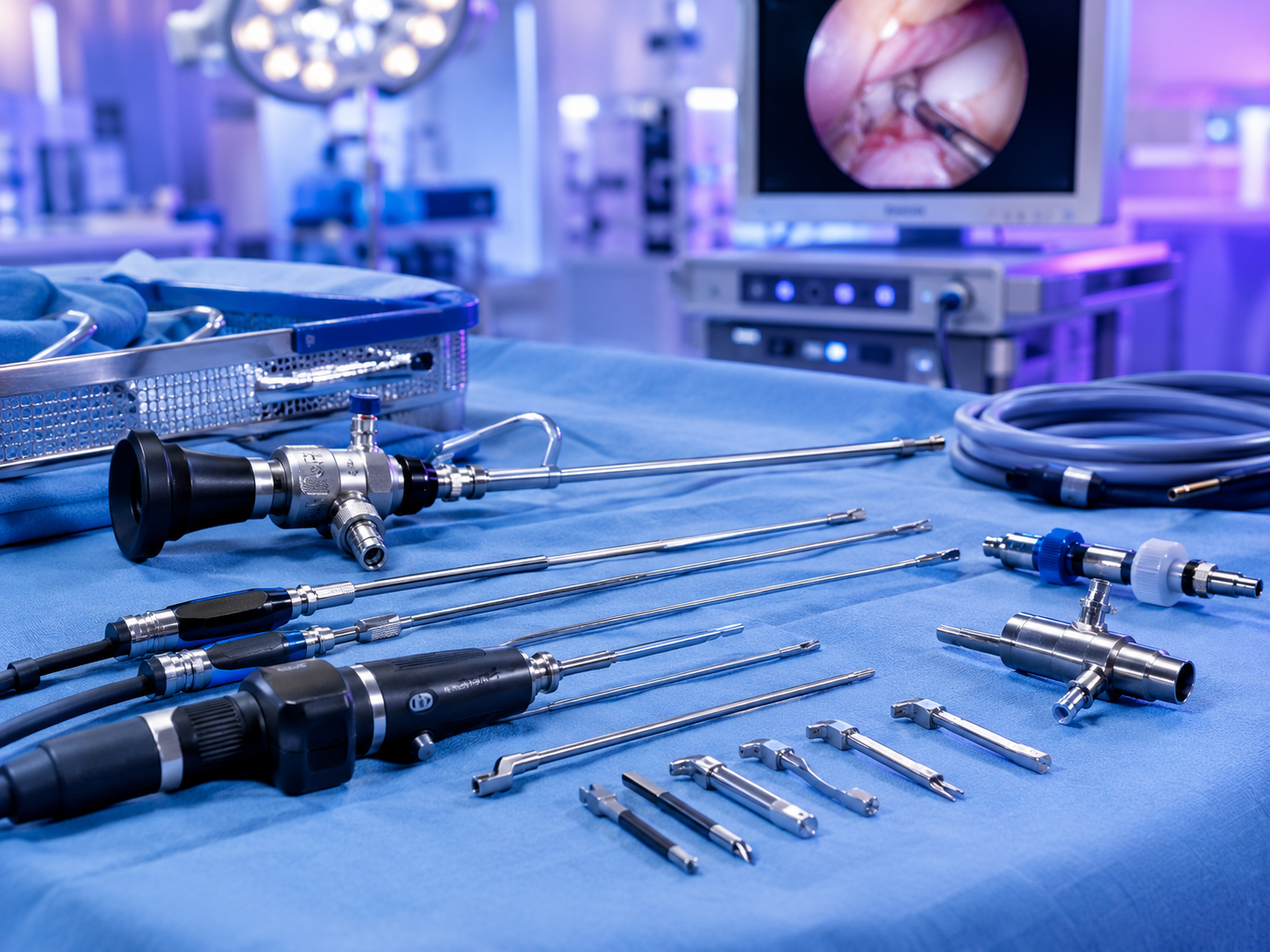
Knee Arthroscopy — minimally invasive evaluation and treatment. A small camera is used to visualise the inside of the knee joint.
What is knee arthroscopy?
Knee arthroscopy (knee scope) is a minimally invasive procedure in which a small camera is used to visualise the inside of the knee joint. It may be used for both diagnosis and treatment of certain knee conditions.
Why it may be considered
Your surgeon may recommend knee arthroscopy after clinical examination and imaging. Whether it is appropriate for you depends on your specific condition.
Approach
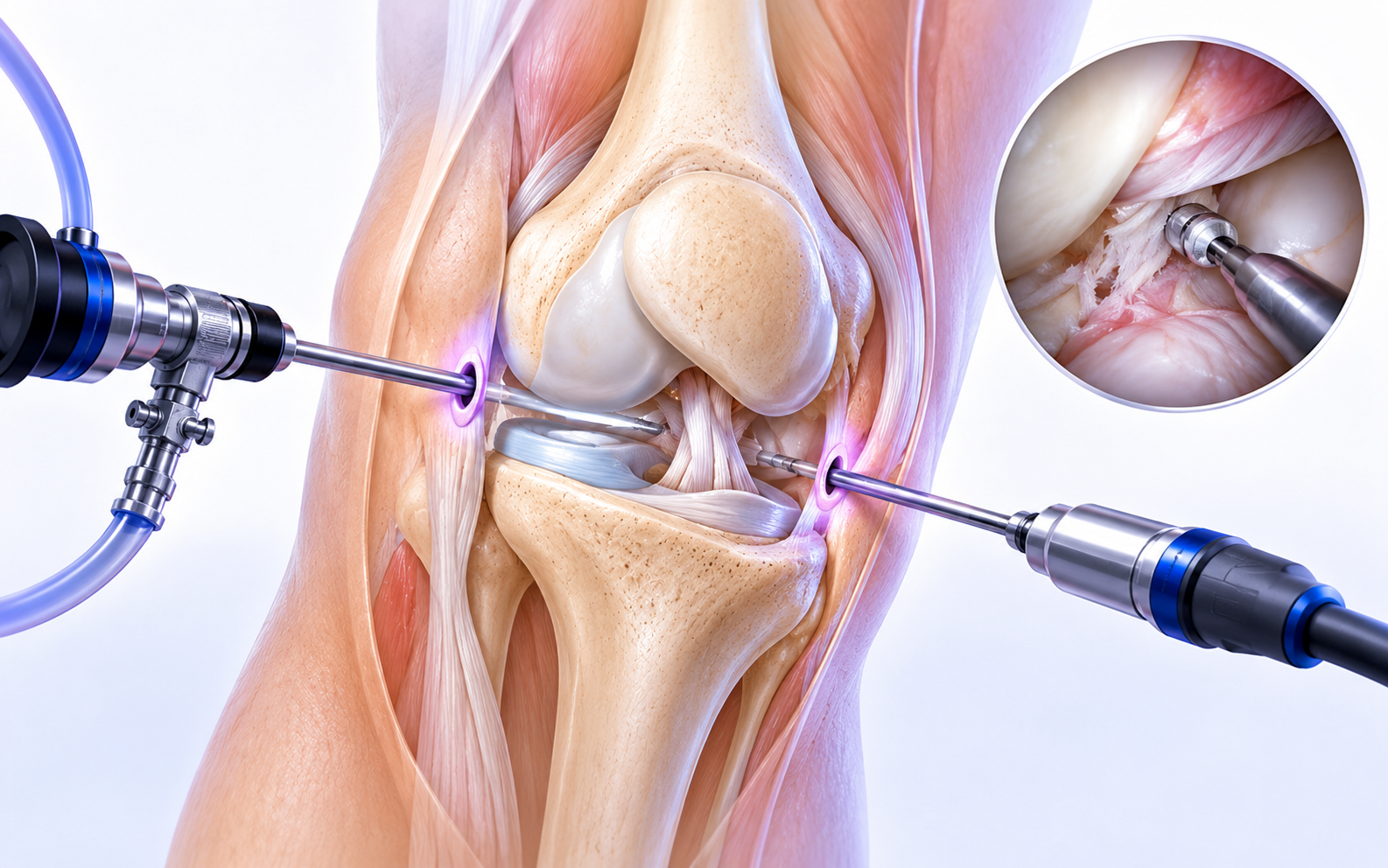
Minimally Invasive
Small incisions are used to access the knee joint.
Purpose
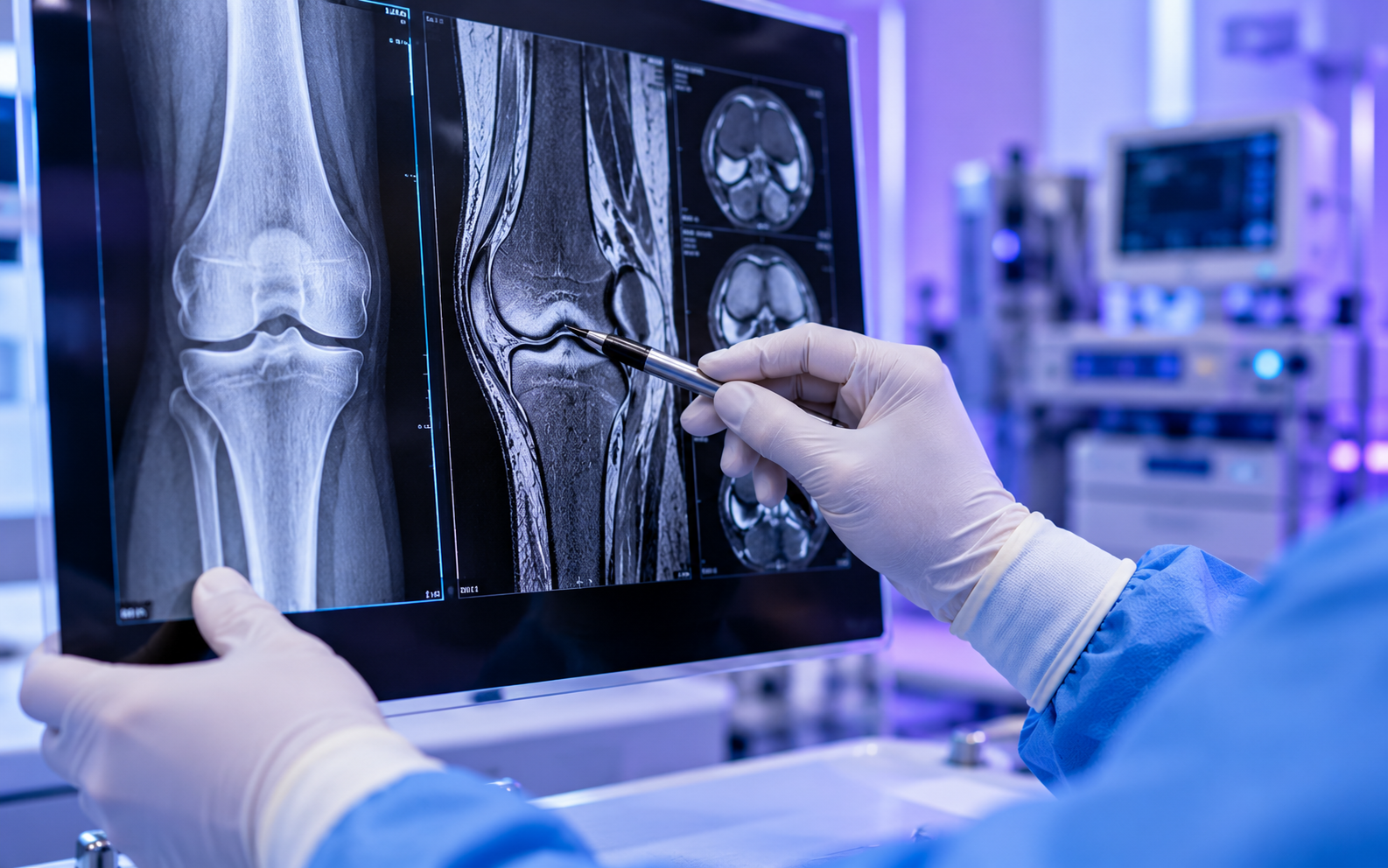
Diagnostic & Therapeutic
Used for both evaluation and treatment of certain conditions.
Assessment
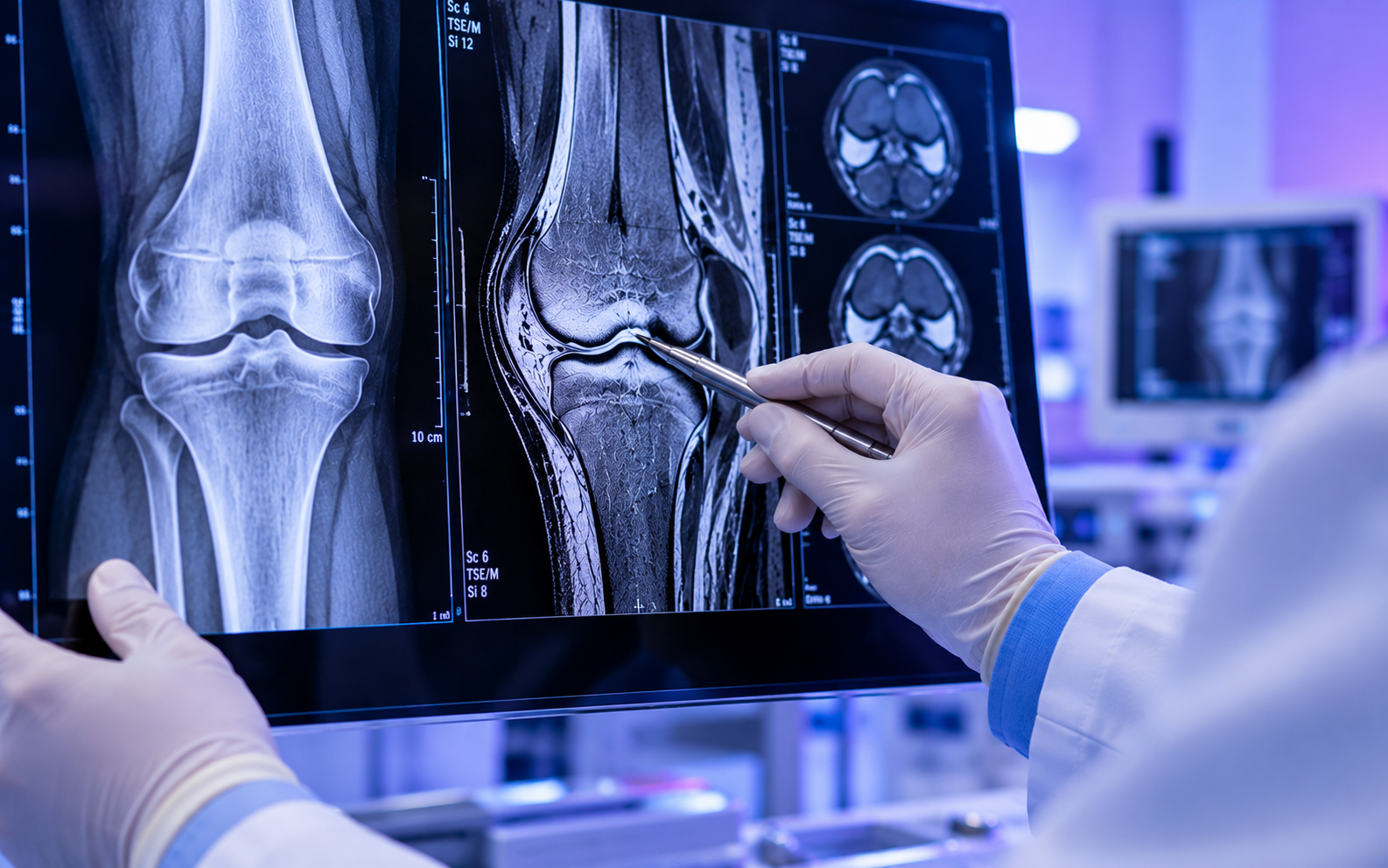
Surgeon-Led Evaluation
Clinical examination and imaging guide the decision.
Procedure overview
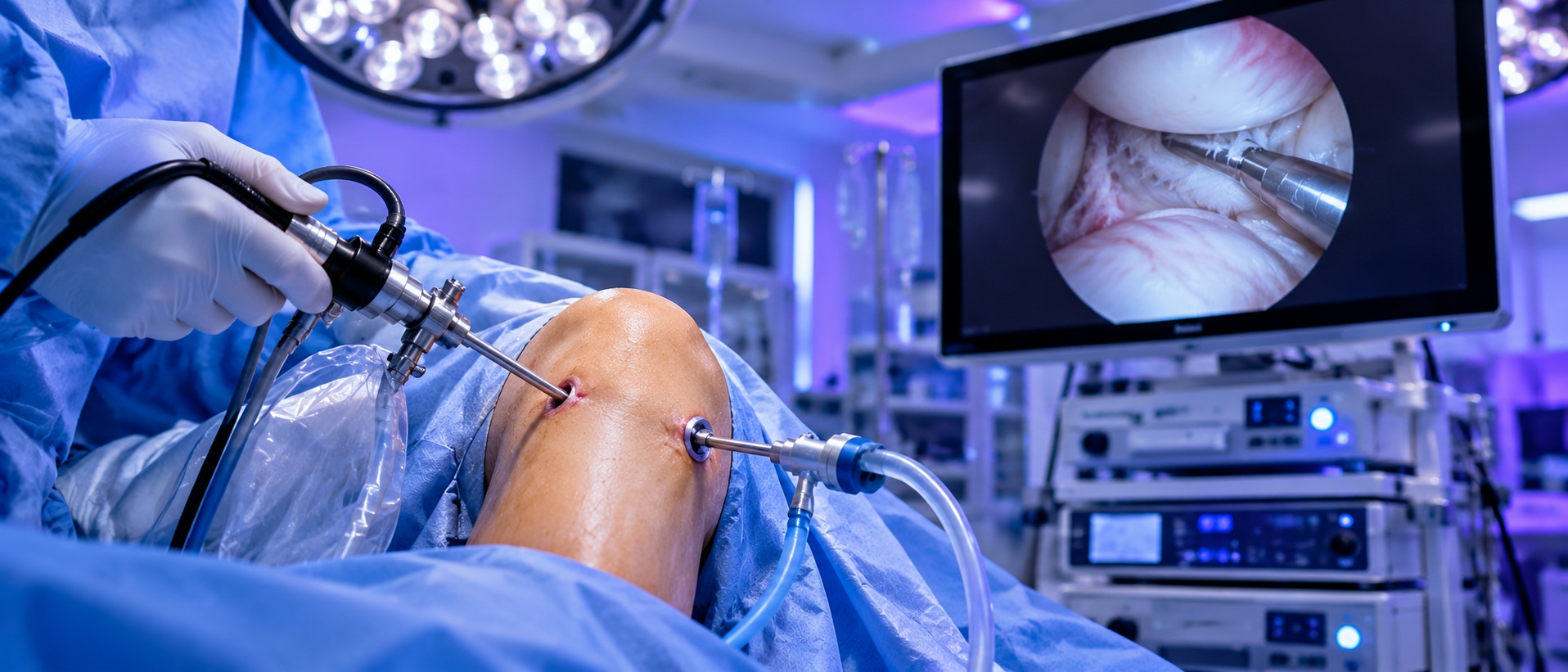
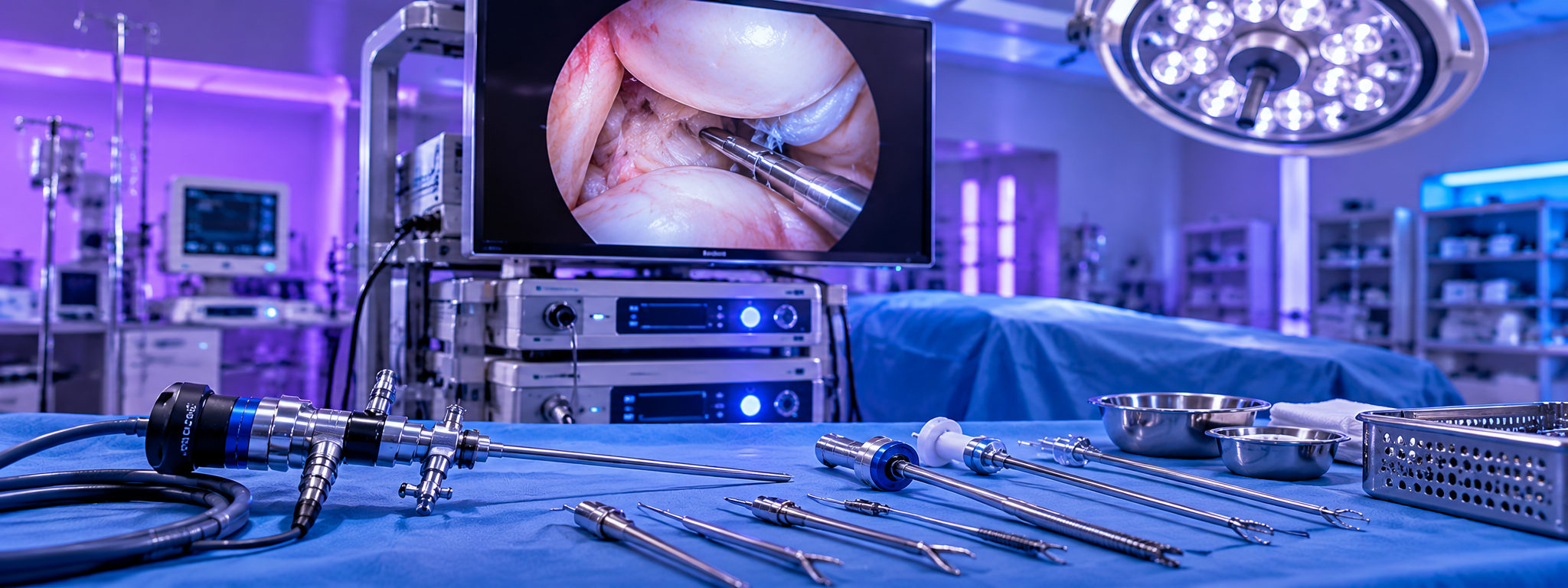
During knee arthroscopy, a small camera is inserted through a small incision. The surgeon can visualise the joint structures on a monitor and address certain conditions through additional small portals. The specifics of your procedure will be discussed with your surgeon.
Recovery considerations
Recovery varies depending on what is performed during the procedure. Your surgeon will provide guidance on activity, physiotherapy and follow-up based on your specific situation.
Medical disclaimer: Information on this page is educational only and is not a substitute for personalised medical advice. Whether a procedure is appropriate depends on your individual clinical assessment, imaging and overall health.
FAQ
Common Questions
Knee arthroscopy is generally considered minimally invasive compared to open knee surgery. Your surgeon will discuss the specifics of your case.
This depends on the procedure performed and individual factors. Your surgeon will advise you.
Your surgeon will discuss which conditions may be evaluated or treated based on your clinical assessment and imaging.